A First Afternoon With a New Game: Leave Space for the Second Try
A first afternoon with a new game can feel relaxed and revealing: try a small version, notice what you enjoyed and decide whether to return.
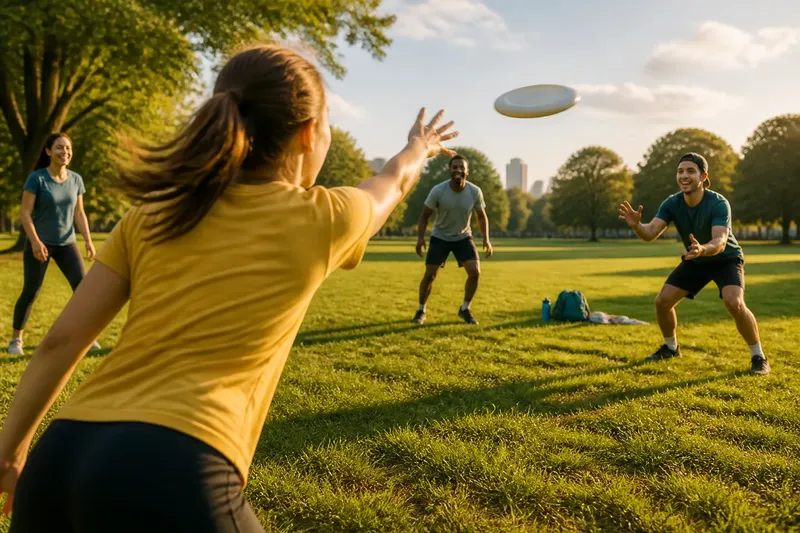
You have a free afternoon, a frisbee in your bag and a friend who knows a game you have never played. A first afternoon with a new game is a chance to try it, notice how it feels and decide later whether you want another go.
The aim is not to master the game or persuade everyone to love it. It is to find out whether there is a part worth returning to: a satisfying throw, a clever choice or a laugh when the plan goes wrong. Treat the afternoon like borrowing a book, not agreeing to read the whole series.
Choose a game that suits the afternoon
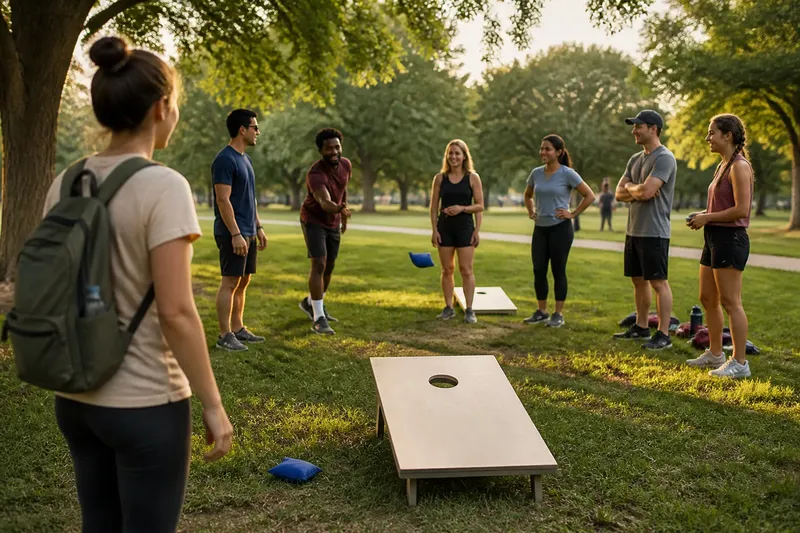
Start with the shape of the occasion. Think about who is coming, where you can play, what you have and how much attention people want to give. A casual frisbee game needs open space and a disc; a simple card game needs a table and a deck. If the group is mixed in age or energy, choose something that can be paused easily.
Make the invitation easy to decline or adapt. “Want to try a short frisbee game after lunch?” gives people a clear picture and leaves room to pass. Someone might prefer to watch first or join for a single round. Either response is useful information, not a promise of future enthusiasm.
Keep the first session small and comfortable
Gather only the equipment the group needs and choose a place with room for the game’s ordinary movements. A clear patch of grass works for throwing; a quiet corner suits cards. The point is to avoid avoidable fuss, not to prepare a perfect venue.
Agree on a natural stopping point before you begin. You might play one round, stop when the group pauses or take a break when anyone wants one. This gives the session an easy landing without making it feel like a performance.
Think of the first version as a side plate rather than a full table setting: enough to try the main idea, without committing to every extra rule. Keep the parts that make the game recognisable and leave optional complications for another time.
Play first, then reflect on what happened
Ask the person who knows the game to show one ordinary turn and explain the basic aim. Then start. Questions can be answered as they arise, and a small mistake does not need to interrupt the whole session. If a rule is unclear, agree on a temporary interpretation and carry on.
Say you and two friends are trying a throwing game in a park, with one frisbee and a broad patch of grass. You agree that a catch earns a point, demonstrate one throw and play until anyone wants a pause. The throws drift wide, but the chase and catches feel enjoyable. Afterwards, that gives you a specific reason to consider another go, even if keeping score did not appeal.
When the group stops, leave a little breathing space before asking for reactions. Instead of asking for a verdict on the whole game, try “Which part would you happily do again?” or “Was there a moment when you felt involved?”
Separate the enjoyable parts from the awkward ones
Listen for details rather than consensus. One person may have liked taking turns; another may have preferred watching and joining briefly. Both reactions matter. The aim is to understand what each person experienced, not to vote the game into or out of the group’s life.
- Activity: If throwing, moving, planning or taking turns felt enjoyable, consider keeping that part next time; if none did, choose a different game or leave it there.
- Pace: If turns felt rushed, pause between them; if waiting felt tedious, try a format with more simultaneous action.
- Company: If playing together added to the fun, invite the same group again; if the group felt distracting, try a quieter setting or fewer players.
- Effort: If equipment or explanation made joining awkward, simplify those demands; if the basic setup felt comfortable, keep it unchanged.
- Attention: If one moment held everyone’s interest, consider returning to that part; if attention faded throughout, do not treat a second session as the default.
- Comfort: If someone wanted a break, make pauses part of any return; if everyone wanted to continue, let the session run until the group naturally stops.
These are observations, not a scorecard. A game might have one appealing feature and several awkward ones. Naming both helps you decide whether a different setting or format would make another try worthwhile.
Decide what, if anything, should change next time
If the group feels curious, choose one adjustment that follows from what you noticed. Keep the same game but try a quieter spot, invite fewer players or leave out scoring. Changing one thing gives another session a clear purpose while keeping it recognisably the same activity.
If the group liked a particular move but not the full format, keep that distinction. You might enjoy passing a disc back and forth but not keeping score. A later try could focus on passing rather than pretending everyone wants a full match.
If nobody wants another go, let that be a complete answer. You have learned what did and did not suit the group that afternoon. There is no need to turn a modest experiment into a commitment.
What should you consider after a first try?
Do beginners need to learn every rule first?
No. Start with the goal and one ordinary turn, then ask about less common situations if they arise. This leaves room to experience the game before deciding whether its extra rules appeal.
How can you tell whether to play again?
Notice whether anyone can name a part they would willingly repeat, and whether a small change could address the awkward bits. If nobody feels curious, you can leave the game without treating that as a failure.
What if players enjoyed different parts?
Keep the reactions distinct rather than trying to make everyone share one verdict. A later session can centre on the part one person liked, while others can choose whether to join or watch.
When should you decide about another session?
Wait until the round has ended and people have had a moment to notice how it felt. A later invitation gives everyone room to think without turning an enjoyable afternoon into an immediate commitment.
A first afternoon with a new game is useful even when it does not lead to a return. If you do play again, let the detail that stayed with you shape the next session; if you do not, you can still carry that knowledge into choosing what to try next.